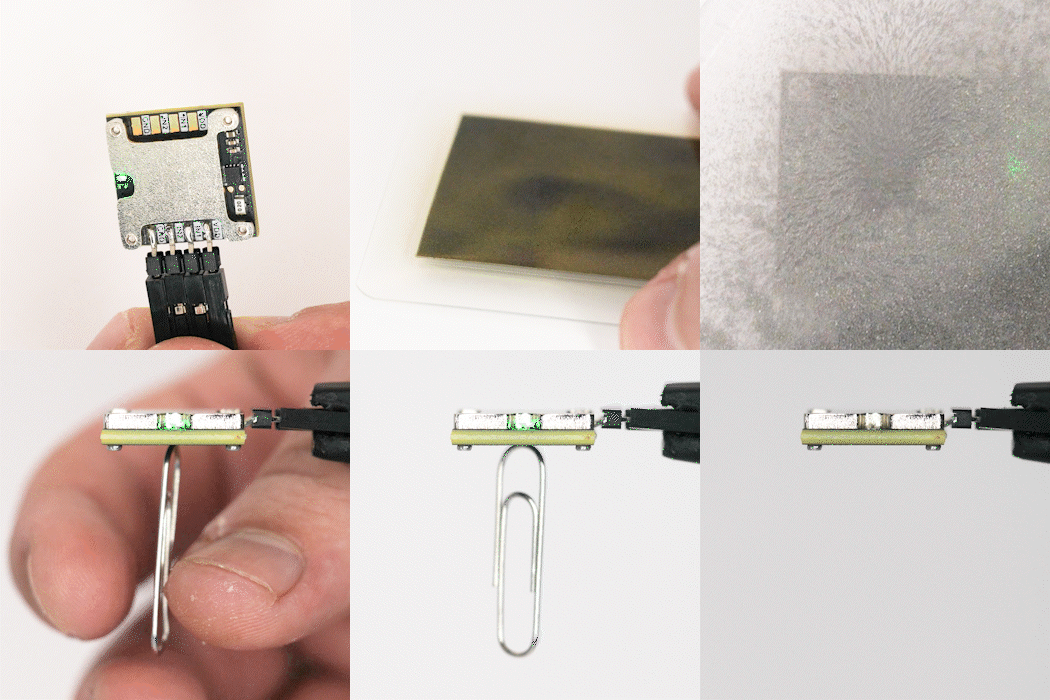
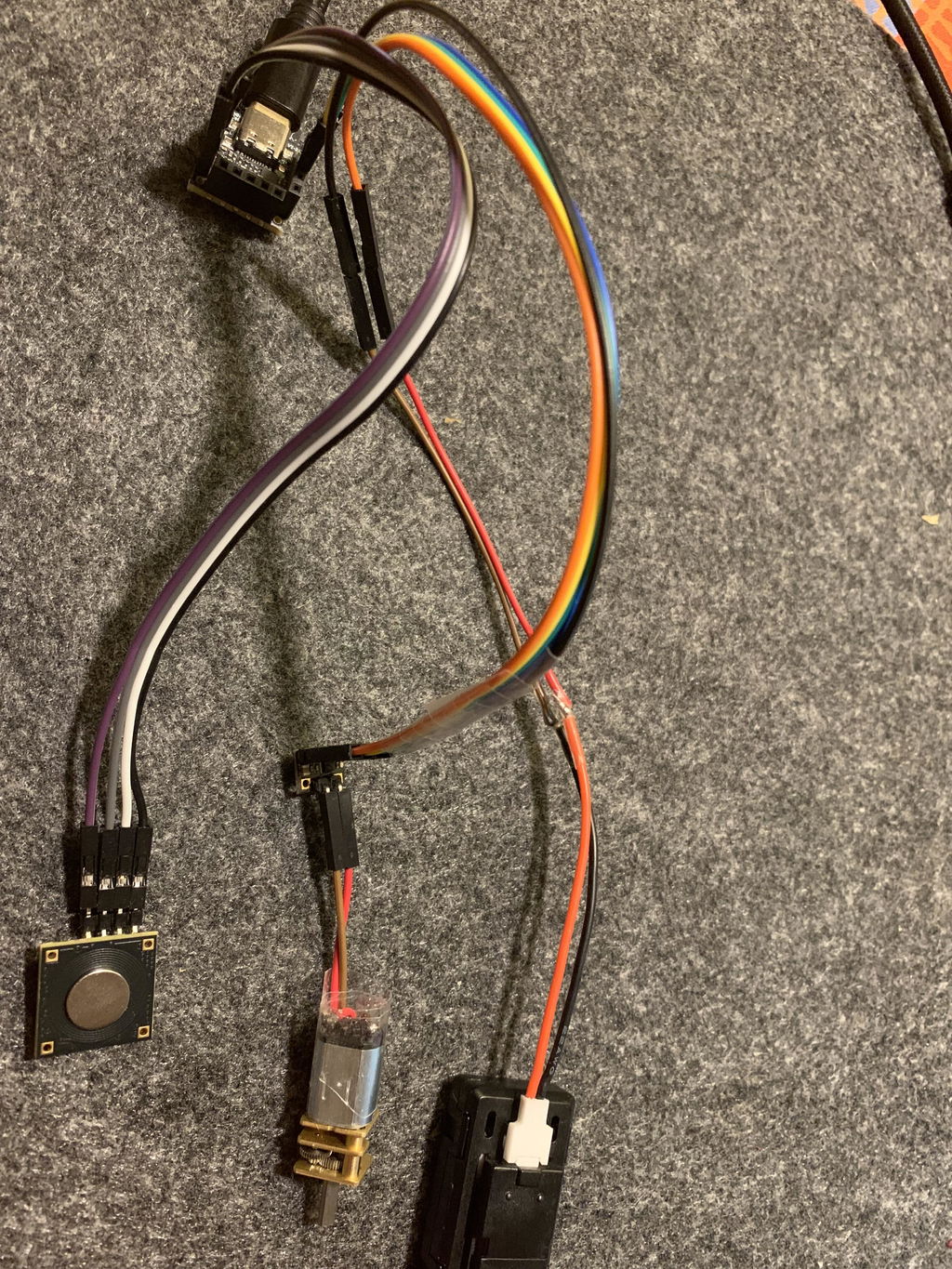
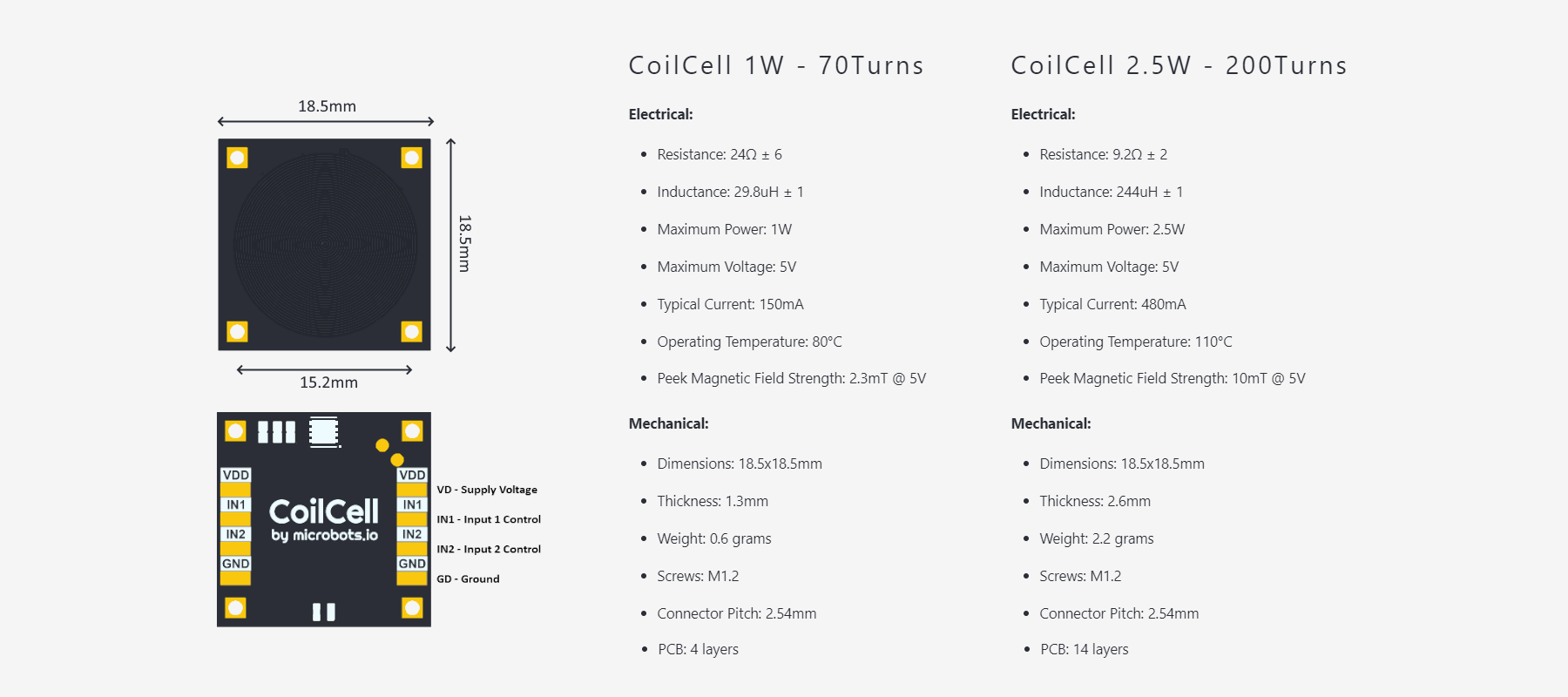
Constructed from a multi-layer PCB, CoilCell is a thin planar coil with an integrated driver. Its compact design simplifies the control of magnetic polarity and strength in electronic prototypes and DIY projects.
The onboard DRV8837 H-bridge controls the direction and strength of the current flowing through the coil. CoilCell can be driven using the following input states:
-
Magnetic North: IN1 = VCC/PWM, IN2 = GND
-
Magnetic South: IN1 = GND, IN2 = VCC/PWM
-
Off: IN1 = GND, IN2 = GND
Each pack includes one CoilCell, four M1.2 screws, one unsoldered 4-pin male header and the magnetic part selected when ordering.
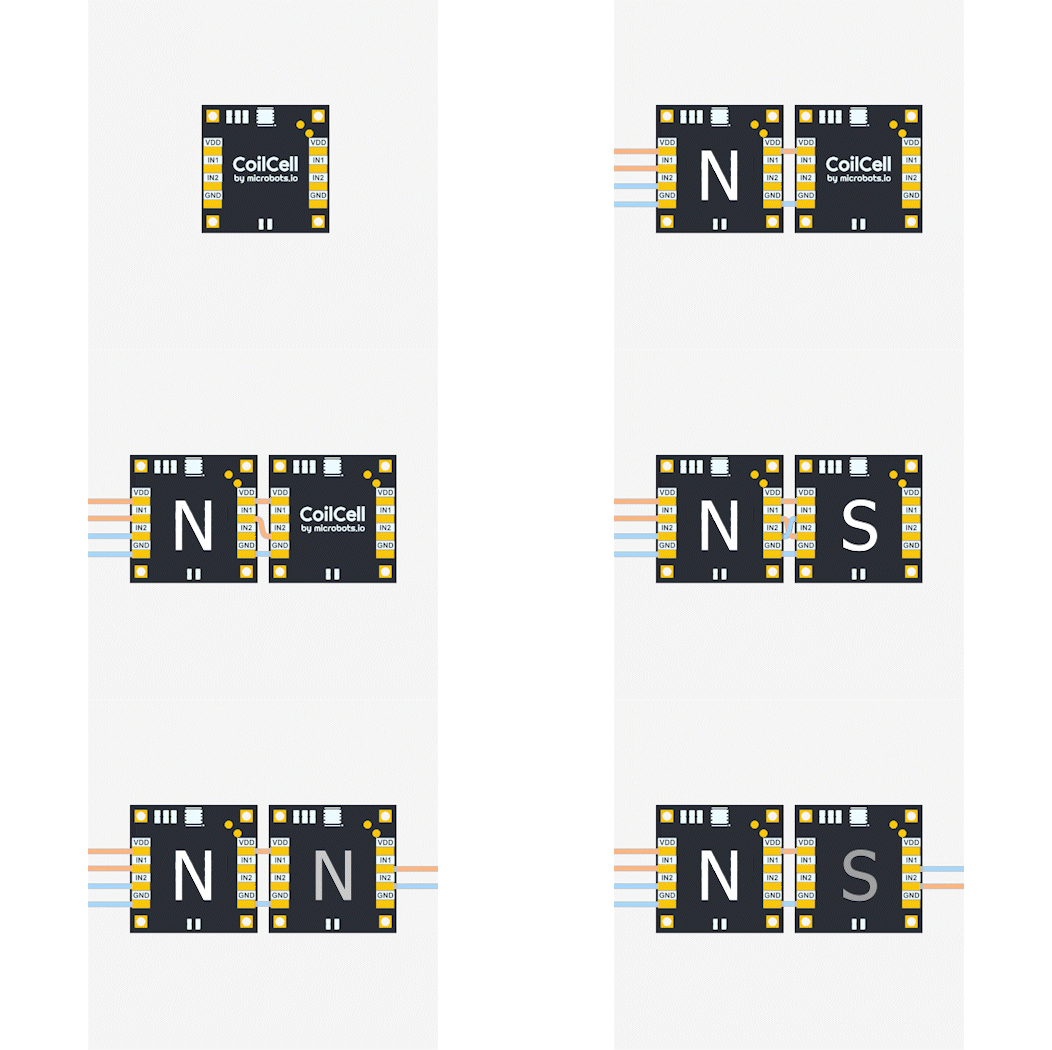
Neighbouring CoilCells can be soldered together using their side pads, allowing them to share power and input signals. They can be synchronised using the same input signal or controlled individually using separate input connections.
When connecting multiple CoilCells, ensure that the power supply, wiring and connectors can safely provide the combined current required by all connected modules.
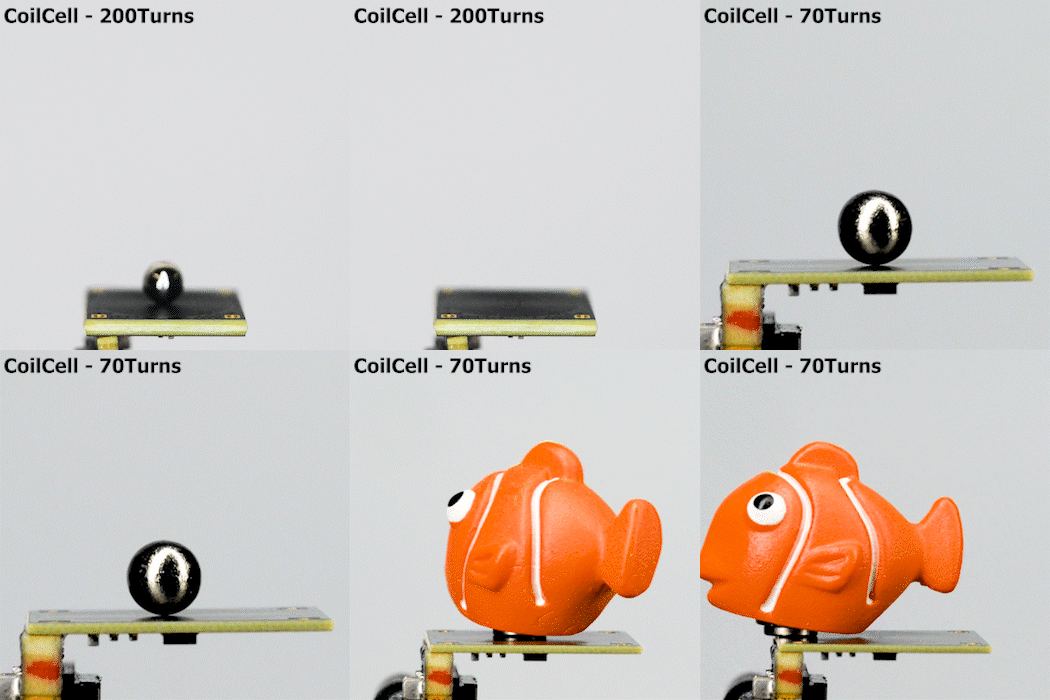
- The force produced depends on the selected CoilCell, magnet strength, magnet weight, distance and the mechanical design of the project.
- Use non-magnetic wires and connectors near the CoilCell to prevent magnets from attaching to them.
- The CoilCell library is available through GitHub and the Arduino Library Manager. Basic functions support Arduino-compatible boards, with optimised PWM functions for CodeCell and other ESP32 devices.
- Schematics are available here.
CoilCell is an electronic development module intended for integration into prototypes and DIY electronic projects. It is not a finished standalone appliance or a toy. Supporting RoHS records are maintained for the PCB assembly materials, specified components and supplied accessories. The designer or manufacturer of a completed product incorporating CoilCell is responsible for assessing the finished product against all applicable safety, EMC, environmental and other regulatory requirements. For commercial product integration, please get in touch.